
Noorani Qaida for beginners
Noorani Qaida: Foundations for Beginners
October 21, 2026 · Tajweed-ul-Quran Editorial Team
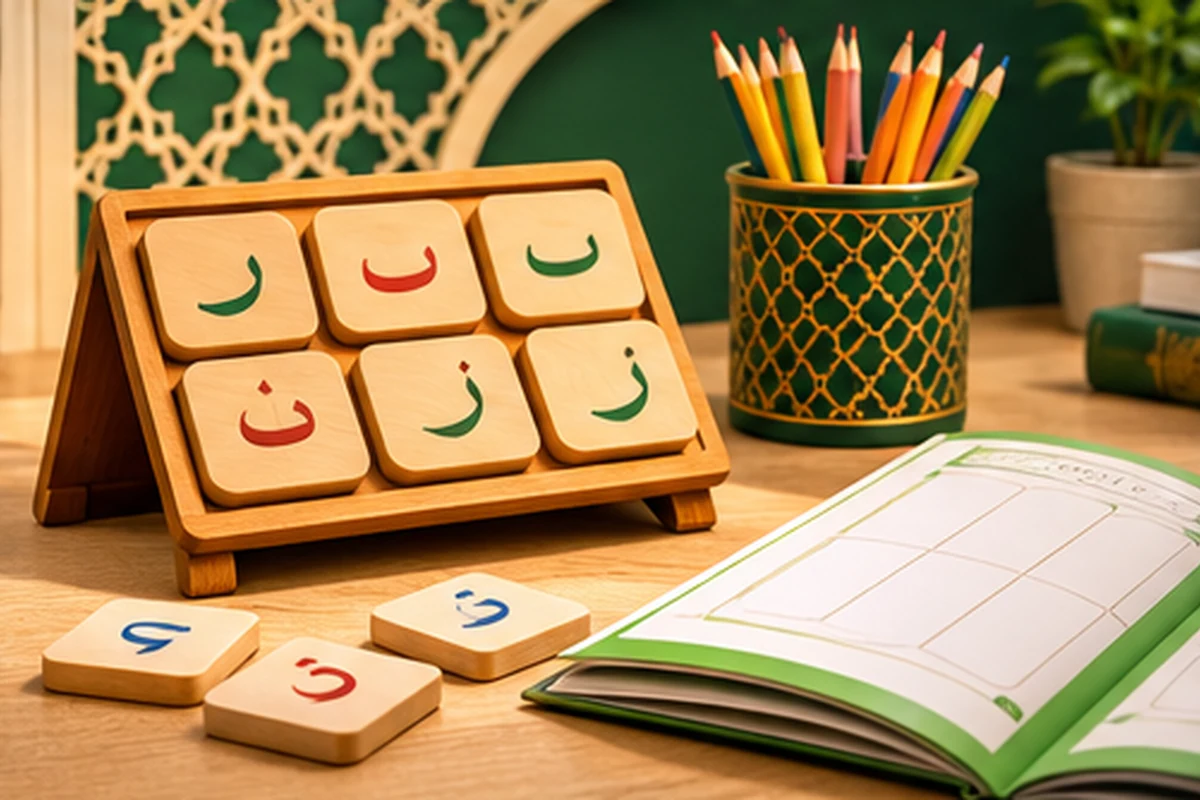
Noorani Qaida is a widely used introductory learning resource for reading Arabic letters and common combinations. For many new learners, it creates a bridge between recognising the alphabet and reading Quranic text with greater confidence.
Recognise Arabic letters
Beginners first learn the shapes and pronunciation of Arabic letters. They may look different when connected to neighbouring letters, so guided reading includes both individual forms and joined examples.
Similar-looking letters need particular attention. A teacher can point out the differences and listen for correct pronunciation.
Learn vowel marks and sound combinations
Short vowel marks, Sukoon, Tanween and other basic patterns appear gradually. Instead of memorising pages visually, practise reading examples aloud and identifying why the sound changes.
Once individual examples feel familiar, move to simple combinations and short words. Accuracy should come before speed.
Connect reading with correct articulation
A student can recognise a letter while still producing the wrong sound. Teachers can model articulation and explain the difference between closely related letters. Careful practice here prepares learners for later Tajweed lessons.
Review frequently and record recurring mistakes. A small correction practised consistently can make later lessons easier.
Set achievable weekly goals
One week could focus on recognising a small group of letters; the next might introduce vowel sounds or smoother joins. A beginner does not need to rush toward complete Quran pages before mastering the foundations.
Parents can help children practise for a few minutes each day in a calm space. Adults can use the same approach with a schedule adapted to work and family responsibilities.
Explore related learning resources
Basic Noorani Qaida course · Tajweed course · Request a lesson